Doorknob Parts: A Quick Guide to Fixing or Replacing Your Lock
When it comes to the functionality and security of your doors, understanding the components of a doorknob is essential. Many people focus on the design or finish, but knowing what’s inside helps with maintenance, repair, and installation. In this guide, we’ll break down the main parts and explain how each contributes to smooth operation and better home safety.
Main Components and Their Functions
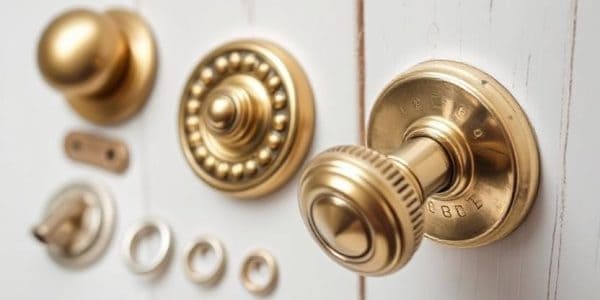
A standard doorknob consists of several pieces, each serving a specific purpose. The most visible part is the knob itself—the handle you grip to open or close the door. Knobs can be round, oval, or lever-shaped, and they come in materials like metal, wood, or plastic. While the design adds style, it also affects grip and comfort.
Beneath the knob lies the spindle, a small but vital metal rod that connects both sides of the door. When you turn the knob, the spindle rotates and moves the latch. If it’s damaged or loose, the door won’t operate properly.
The latch is another crucial piece. It extends into the door frame to keep the door shut securely. Latches vary—from simple spring types to more advanced deadlatch systems. Over time, they can wear out or misalign, causing the door to stick or fail to lock properly.
Locking Mechanisms and Support Hardware
For locking knobs, the lock cylinder or key mechanism is one of the most important elements. It allows the door to be locked or unlocked with a key or a thumb turn. Cylinders come in many styles, from basic pin tumblers to high-security systems. Keeping them lubricated and clean helps prevent jamming.
Another key component is the strike plate, the metal piece on the door frame that receives the latch. When properly aligned, it allows the door to close smoothly and stay secure. A misaligned strike plate can cause sticking or make the door harder to lock.
Lastly, screws and mounting hardware hold everything together. Proper installation and routine tightening of these fasteners ensure your door remains sturdy and safe. Loose hardware may seem minor, but over time, it can lead to larger mechanical issues.
When to Repair or Replace Door Hardware
Knowing when to repair or replace your hardware can prevent future security problems. Common signs include a loose or wobbly knob, a latch that doesn’t retract fully, or difficulty turning the key. Rust, corrosion, and stripped screws are also warning signs. Replacing worn components early improves performance and avoids total lock failure.
If you’re upgrading your hardware, consider the door’s material, the type of lock needed, and your security requirements. Modern replacement kits are often designed for easy installation, making DIY repairs simple and cost-effective.
Final Thoughts
A doorknob is more than just a decorative detail—it’s a small mechanical system with multiple parts working together to keep your home secure. By learning how these components function, you can handle minor repairs, choose the right replacements, and maintain smooth door operation for years.
Understanding the structure behind your doorknob doesn’t require professional training—just a bit of curiosity and attention to detail. With proper care, even an old door can work as smoothly as new.